Remember
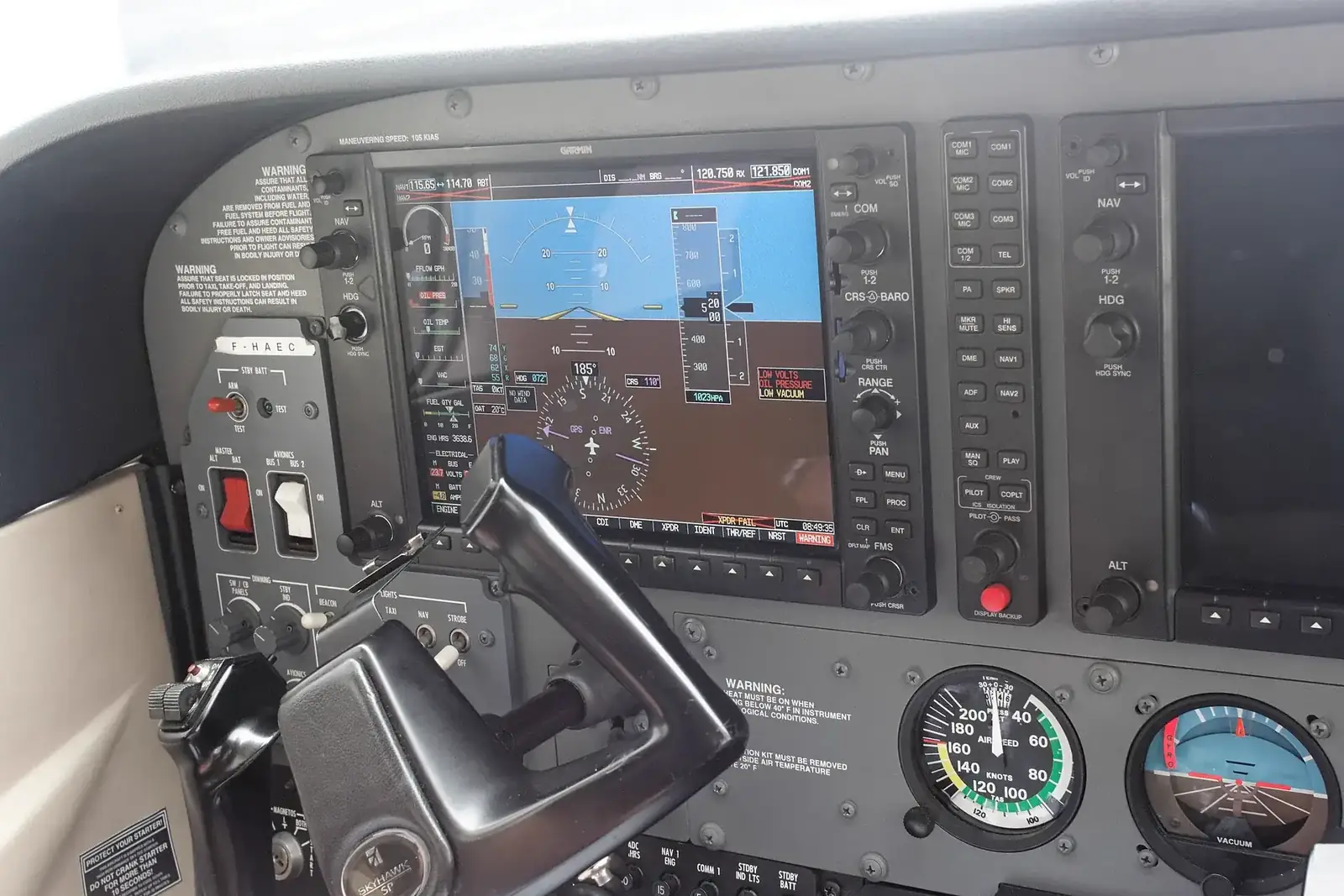
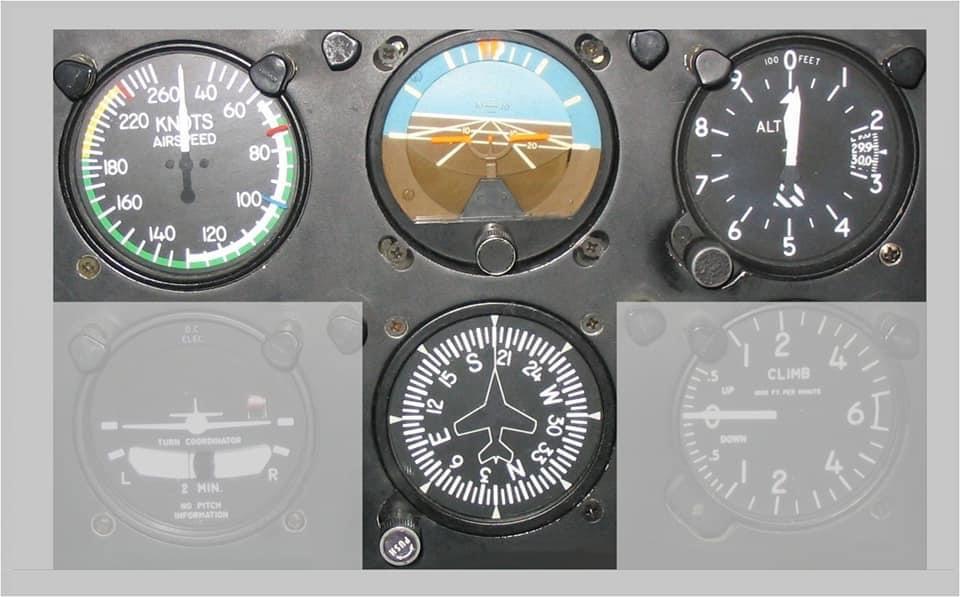
Attitude indicator is always a primary instrument to scan.
CHAPTER 07 · INSTRUMENT SCANNING
Best practices for pilots stepping into the world of instrument flying.
A practical companion for your IR journey — written by a pilot, for pilots. 185 pages that walk you through the entire IFR flight, from the first NOTAM check to the missed approach call — with 200 online quiz questions to test yourself along the way.
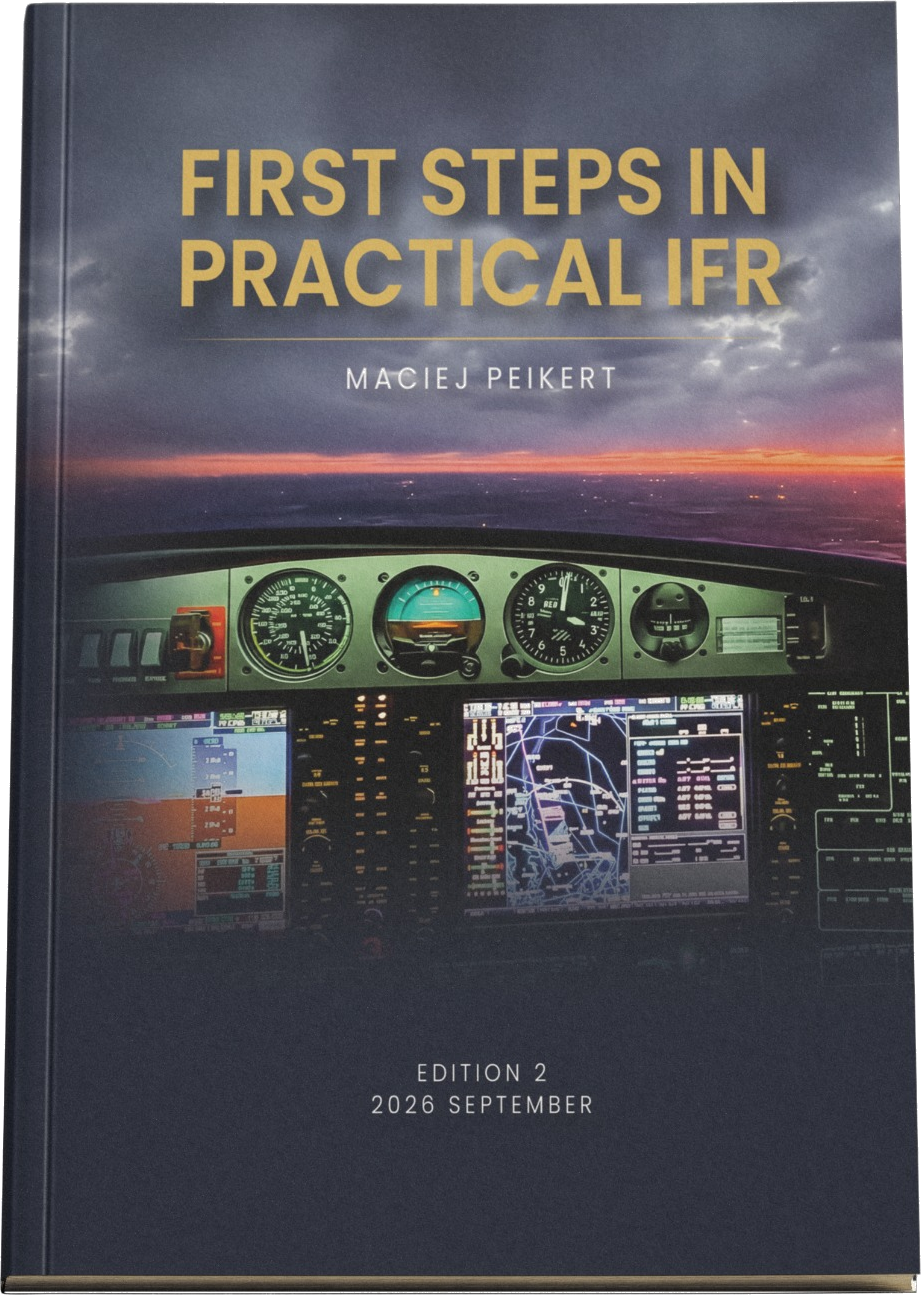
Captain Maciej Peikert distills more than four decades of airline and instructor experience into a practical training companion.
Good practices that connect PPL knowledge with real IFR flying. The book that sits on the kneeboard, not on the shelf.
Seven chapter quizzes with explanations and book-page references — unlocked with the access code included with every copy.
A 185-page practical IFR companion that walks you through the entire IFR flight, start to finish — from the first NOTAM check to the missed approach call.
Applied, procedural, operational content. Not another theory textbook — this is the cockpit-side knowledge that bridges what you learned and what you'll actually do.
IR students working toward their rating, instructors building training material, and ATOs equipping their fleets and classrooms.
Things you'll remember long after you close the book.
Attitude indicator is always a primary instrument to scan.
During the briefing stick to the rule: Fly – Navigate – Communicate. Do not leave PFD unattended, keep it scanning even if the AP is ON.
Proper pre-flight preparation facilitates navigation, lowers workload, and increases situation awareness and self-confidence during flight.
For ILS each dot represents approx. 0.5° deviation (5-dot scale). Half-scale deflection is 1.25° only.
The primary goal of the briefing is your mental preparation for the approach — not to satisfy SOP or instructor.
Reaching visual contact at MAPt does not guarantee landing.
Start descent at roughly your altitude in thousands of feet divided by 3 — at FL090, begin down about 30 NM out.
Bank angle for a rate-one turn: TAS ÷ 10 + 7. At 100 kt that is about 17 degrees.
Monitor 121.5 on COM 2 — always.
— From First Steps in Practical IFR by Capt. Maciej Peikert
See the full table of contents →A detailed look at what the book covers, chapter by chapter.
Everything before pushback — building the mental model of the flight, the paperwork, and the fuel plan.
"Proper pre-flight preparation facilitates navigation, lowers workload, and increases situation awareness and self-confidence during flight."
A short summary of the book, the author's biography, the ISBN barcode and publisher details — everything you need to identify and order the official Edition 2.


Captain Maciej Peikert is a distinguished aviation professional who has been flying since 1986, accumulating more than four decades of experience and over 21,500 flight hours (including gliders), plus more than 2,000 hours in flight simulators. He has spent nearly 28 years in airline operations, with close to 20 years on the Airbus A320 family. Maciej is also a flight instructor at some of Poland's largest training organisations, including as an IFR instructor at LAW Flight Academy in Deblin. His line-flying career has taken him across Europe, the Middle East, Asia, Africa and North America. First Steps in Practical IFR distills that cockpit experience into a practical companion for pilots entering the world of instrument flying.
Questions about bulk orders, ATO partnerships, translations, or content? We'd love to hear from you.
peikert@vp.plWe reply within 2 business days, Monday to Friday (CET).